Showing posts with label Farewell. Show all posts

Wednesday, November 16, 2016

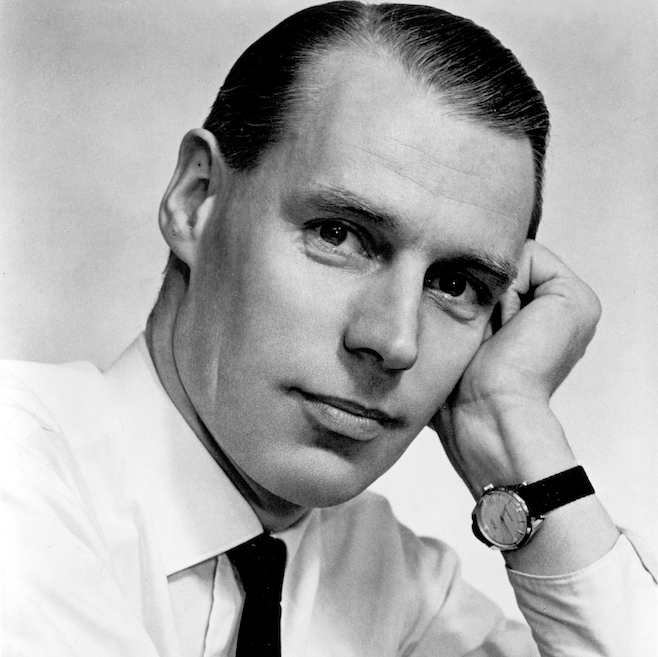
Farewell to the 5th Beatle

Well, quite late to get this post up, but certainly not forgotten. Earlier this year on March 8th, the world lost 90-year-old Sir George Martin - English record producer, arranger, composer, conductor, audio engineer and musician. In a career that spanned seven decades, Martin was one of music's greatest talents, working with numerous artists including Gerry & The Pacemakers, Billy J. Kramer & The Dakotas, Cilla Black, Shirley Bassey, Peter Sellers, Jeff Beck, Neil Sedaka, Kenny Rogers, Cheap Trick, Elton John, Celine Dion, and more. However, he is most fondly remembered as The Fifth Beatle, as his greatest fame and influence comes from his seven years working with The Beatles.

Martin's more formal musical expertise helped fill the gaps between the Beatles' unrefined talent, and the sound which distinguished them from other groups and added in their success. Most of the Beatles' orchestral arrangements and instrumentation (as well as frequent keyboard parts) were written or performed by Martin, in collaboration with the less musically experienced band. It was Martin's idea to put a string quartet on "Yesterday", against McCartney's initial reluctance. Martin played the song in the style of Bach to show McCartney the voicings that were available. Of course, Paul McCartney's songwriting is nothing to sneeze at either, but the collaboration not only led to a #1 US hit in 1965, but also has been voted the #1 pop songs of all time.


 His work as an arranger was used for many Beatles recordings. For "Eleanor Rigby" (previously featured here), he scored and conducted a string accompaniment inspired by Bernard Herrmann (composer for Hitchcock thriller, Psycho). For "Strawberry Fields Forever" (featured here), he and recording engineer Geoff Emerick turned two very different takes into a single master through careful use of vari-speed and editing. For "I Am the Walrus" (here), he provided a quirky and original arrangement for brass, violins, cellos, and the Mike Sammes Singers vocal ensemble. On "In My Life," he played a speeded-up baroque piano solo. He worked with McCartney to create the orchestral 'climax' in "A Day in the Life", and he and McCartney shared conducting duties the day it was recorded. (Sidenote: gotta love seeing Rolling Stone Mick Jagger, Monkee Mike Nesmith, and Donovan all in attendance during the recording and filming of this promo video!).

Martin contributed integral parts to other songs, including the piano in "Lovely Rita," the harpsichord in "Fixing a Hole," the old steam organ and tape loop arrangement that create the "Pablo Fanque" circus atmosphere John Lennon requested on "Being for the Benefit of Mr. Kite!" (both Martin and Lennon played steam organ parts for this song). To create the circus-like atmosphere of the song, Martin made tapes of old calliope records, then had the recording engineer cut the tapes into short segments, throw them in the air, and splice the pieces together at random. The result was a swirling sound collage that creates the disorienting feeling of a whirligig at a fair. Mr. Martin himself played the swirling organ runs that follow the line, “And of course Henry the Horse dances the waltz,” recorded at half-speed. Pretty cool, if you ask me! Here's the song used the Beatles' "Love - Cirque du Soleil" show in Las Vegas (this part is actually a bit creepy for me and I had to look up the meaning behind some of the costumes. But that's for another day...).

Since the early 1960s. Martin composed, arranged, and produced film scores like the instrumental scores of A Hard Day's Night (1964, for which he won an Academy Award Nomination) the Bond classic Live and Let Die (1973), and many more. He also composed this awesome song below, "Theme One" which was used as the introduction on BBC Radio 1 for many years beginning in 1967. This composition makes great use of the pipe organ, heavy brass, and my favorite psychedelic effect of "flanging." Paul McCartney once commended Martin by saying: "George Martin [was] quite experimental for who he was, a grown-up." Check out the super-cool "Theme One:"     

I could go on, but this could take all week. 
The above is just a blip from the career of this legendary music producer. 
Thank you to the Fifth Beatle for your outstanding contribution to the music industry.
Farewell, Sir George Martin. You shall be missed.


Disclaimer: As it has taken me so long to finally finish this post and I was lacking creativity, some content was taken directly from good ol' Wikipedia.

Saturday, March 5, 2016

Farewell: Baby, It's You


 This week on March 1st, American singer Gayle McCormick died of cancer at the age of 67. In 1969, the blues-based rock band Smith formed in L.A., and their first album, entitled "A Group Called Smith," featured McCormick as the primary vocalist. Smith mainly played and recorded covers of pop and soul songs, and made the Top-5 with a remake of the Burt Bacharach-penned tune "Baby It's You," charting higher than the previous hit versions by The Shirelles and The Beatles. Selling over a million copies in the summer of '69, it received the gold record award. Smith's version was also featured in Quentin Tarantino's film Death Proof, introducing the tune to a new audience. After Smith disbanded, McCormick went on to record three solo albums in the early '70s. The single "It's a Cryin' Shame" from her eponymous first album was a minor hit for her, reaching #44 on the charts in 1971.
Here's classic footage of some great talent, "Baby It's You."

RIP beautiful Gayle. 

Monday, February 22, 2016

Farewell Bomb

Whoa, barely two months into 2016 and the world has lost an incredible amount of musical talent. While you may not know of all these names, here are five more noteworthy artists who have recently passed away.

On January 28th, Jefferson Airplane's lead guitarist and songwriter, Paul Kantner, died at the age of 74 (pictured second from left with glasses). Jefferson Airplane's psychedelic sound and free-spirited mindset helped define the '60s counterculture in San Francisco. Kantner was a co-founder of the group in 1965 with Marty Balin and the guiding spirit of its successor, Jefferson Starship. With hits like "Somebody to Love" and "White Rabbit" (both featured here), Jefferson Airplane wrote anthems for the hippie movement and the memorable Summer of Love in 1967. While vocalists Grace Slick and Balin were the public faces of Jefferson Airplane, Kantner was often the creative force of the band, bringing a freshness from his folk music scene background. From their historic album Surrealistic Pillow in 1967, listen for Kantner's vocal at 1:08 in "How Do You Feel?"

And what are the odds two members of Jefferson Airplane would pass away on the same day and at the same age? Also on January 28th, the band's original female vocalist, Signe Anderson, died at 74 (also pictured in the top photo). Initially a jazz and folk singer in Portland, OR, she joined Jefferson Airplane after a trip to San Francisco in 1965, and sang on their first album Jefferson Airplane Takes Off. Married to one of the Merry Pranksters, Jerry Anderson, and pregnant with her first child, Signe left the group in late 1966, and was replaced by rock 'n roll diva Grace Slick. Check out this footage of the band performing "It's No Secret" at the Fillmore Auditorium in San Francisco in 1966; look for Signe at the 1:34 mark.
 ------------------------------------------------------------------------------------------------------------
 On January 16th, American singer and guitarist Gary Loizzo, best-known as the lead singer of The American Breed, passed away at the age of 70. From the greater Chicago area, The American Breed had several hit records, including the million-selling single "Bend Me, Shape Me" in 1967/'68. In the early '70s, Loizzo went on to start his own recording studio called 'Pumpkin Studios,' and became a two-time Grammy-nominated recording engineer. He worked with REO Speedwagon, Styx, Bad Company, Slash, Survivor, Liza Minnelli, Tenacious D, and many others. Since "Bend Me, Shape Me" was previously featured here, here's their first Top-40 hit in 1967, "Step Out of Your Mind" (gotta love that "trumpet-playing" drummer).
 -----------------------------------------------------------------------------------------------------------
On February 6th, American singer-songwriter Dan Hicks passed away, also at the end of 74. Combining cowboy folk, jazz, country, swing, bluegrass, pop, and gypsy music in his sound, Hicks first became part of the San Francisco folk music scene in 1959, performing at local coffeehouses. Later, he joined the San Francisco band The Charlatans in 1965 as drummer, and in 1967, formed Dan Hicks & His Hot Licks, contemporaries of Grateful Dead and Jefferson Airplane. From his first album released in 1969,  "How Can I Miss You When You Won't Go Away?" features Hick's humor, frequently infused into his tunes.
----------------------------------------------------------------------------------------------------------------------
Finally, American musician, songwriter, screenwriter, and voice actor Bill Martin passed away on January 27th at the age of 64. A friend of Monkee Michael Nesmith, Martin's first contribution to The Monkees came in the form of "All of Your Toys," recorded during the very first studio sessions that featured the group supporting themselves instrumentally. Because of a publishing dispute with Screen Gems, the song never saw the light of day until it was released on the Missing Links compilation in 1987. He also composed "The Door Into Summer," which did see release on 1967's Pisces, Aquarius, Capricorn & Jones Ltd. album. Martin later collaborated with other artists, including Harry Nilsson ("Rainmaker," covered by Nesmith on his third solo effort, Nevada Fighter). Martin later co-starred with Nesmith in his Grammy-winning Elephant Parts in 1981, and in addition to screenwriting credits (1987's Harry and the Hendersons), his voice skills earned him roles in numerous animated series. Unfortunately, I could not find any photos of him! But these two songs are true gems and needed to be included. Here's the Bill Martin-penned could-have-been-a-hit Monkees' tune, "All of Your Toys," recorded in 1967.


From The Monkees' fourth studio album, here's "The Door Into Summer," officially written by Bill Martin and the Monkees' producer Chip Douglas (although Douglas denies any writing contribution). Another fantastic tune.

------------------------------------------------------------------------------------------------------------------
RIP and sincere farewell to all these talented legends.

Wednesday, January 13, 2016

Farewell to an Innovator


On January 10th, the world mourned the loss of music innovator David Bowie, who lost the battle to liver cancer at the age of 69. Born and raised in Brixton, South London as David ("Davie") Jones, he changed his name to Bowie early in his career to avoid confusion with Davy Jones of The Monkees. From singer, songwriter, multi-instrumentalist, record producer, arranger, painter and actor, Bowie was a trailblazing figure in pop culture for over four decades, and a pioneer of glam rock in the 1970s. While Bowie re-emerged in '72 with his alter-ego Ziggy Stardust, and achieved American crossover success in '75 with "Fame," we'll only touch on his first Top-5 UK hit in the late '60s, "Space Oddity."
Released as a single in July 1969, the title and subject matter were inspired by Stanley Kubrick's 2001: A Space Odyssey and introduced the character of Major Tom. The United States' Apollo 11 mission would launch five days later, and would become the first manned moon landing another five days later. Written by Bowie for his promotional film Love You Till Tuesday (featured below), a longer re-recorded version of the song was included as the opening song for the 1969 album David Bowie (released that November). Upon its re-release as a single in 1973, the song reached #15 on the Billboard chart and became Bowie's first hit single in the US. Still one of his best-known songs, "Space Oddity" was a largely acoustic number augmented by the eerie tones of the Stylophone, a pocket electronic organ played by Bowie. Love this classic footage from so early in his career.

So much more can be said about this influential musician; this quick tribute doesn't do him justice. Farewell, David Bowie.

Thursday, October 8, 2015

Farewell: "I Knew You When"

This week on October 6th, we lost another voice of the '60s. American pop singer Billy Joe Royal passed away in his sleep at the age of 73 in his North Carolina home. His most successful record was "Down in the Boondocks" from 1965. After hearing a demo he recorded of the song (written by his friend, performer and songwriter Joe South), Columbia Records offered Royal a singing contract in 1965, and released his version of the song. "Down in the Boondocks" remained his best-known song, reaching # 9 on the Billboard chart and # 38 in the UK. He followed up with another hit single in '65 with "I Knew You When" (#14 in US, #1 in Canada), and later, "Cherry Hill Park," #15 in 1969. Royal became a regular performer in Vegas during the 1970s, and reinvented himself as a mainstream country star in the 1980s.

Here's a classic performance of his "wrong side of the tracks" theme, "Down In The Boondocks."

Here's another performance on Shindig! and some great vocals on "I Knew You When," also written by Joe South. (When I didn't know any better, I use to think this was a Tommy James song. My apologies, Mr. Royal). 


And can't forget about this tune with its barely disguised double-entendre lyrics about Mary Hill in "Cherry Hill Park."

Gone, but NOT forgotten! RIP Billy Joe Royal!

Sunday, August 2, 2015

Farewell to a British Star

After 52 years in show business, English singer and actress Cilla Black passed away today at the age of 72. Born in Liverpool and championed by The Beatles, this talented lady scored eleven Top-10 hits on the British charts between 1964 and 1971, hosted her own BBC variety show for several seasons into the '70s, and continued as a prominent TV presenter during the 1980s and '90s. In 1964, "Anyone Who Had a Heart" and "You're My World" were #1 hits, the first single becoming the UK's biggest-selling single by a female artist in the 1960s.
Despite the popularity of all-things British in America, Cilla did not find a huge following in the US, however, "You're My World" was a modest hit in the US, peaking at #26 on the Billboard Hot 100. Although the original Italian version by composer Umberto Bindi was not a hit, even in Italy, the song came to the attention of The Beatles' producer George Martin, who commissioned an English version to be recorded by his protégée Cilla Black.

No doubt that this fine lady had a fantastic voice! Here's a live performance of "Anyone Who Had a Heart" in the mid-60s. 

Farewell, Ms. Black.


Tuesday, May 19, 2015

Farewell to the King of the Blues

On May 14th, the world lost one great artist, B.B. King, at the age of 89. Born Riley B. King and raised in Mississippi, he was American Hall of Fame blues singer, songwriter, and guitarist, and is regarded as one of the most influential blues guitarists of all time, inspiring countless other electric blues and blues rock guitarists. With his first recordings in 1949, King went on to have a successful career, performing in countless concerts with his famous guitar, Lucille. 1956 became a record-breaking year, with 342 concerts booked and three recording sessions.

From the late '60s, new manager Sid Seidenberg pushed King into a different type of venue as blues-rock performers like Eric Clapton and Paul Butterfield were popularizing an appreciation of blues music among white audiences. King gained further visibility among rock audiences as an opening act on the Rolling Stones' 1969 American Tour. He won a 1970 Grammy Award for the song "The Thrill Is Gone," which became a hit on both the pop and R&B charts. It also gained the number 183 spot in Rolling Stone magazine's 500 Greatest Songs of All Time. King was inducted into the Blues Hall of Fame in 1980, the Rock and Roll Hall of Fame in 1987, and the Official Rhythm & Blues Music Hall of Fame in 2014. Until his death in 2015, he maintained a highly visible and active career, appearing on numerous television shows and performing 300 nights a year.
 
Originally a Roy Hawkins' song from 1951, here's B.B. King's hit version of "The Thrill Is Gone," released in December 1969 and performed live on the Ed Sullivan Show in '70.


 Another classic King tune, "Sweet Little Angel" was a #8 hit on the Billboard R&B chart in 1956, and is included in the Rock and Roll Hall of Fame's list of "500 Songs that Shaped Rock and Roll."

RIP to the King of the Blues. For your numerous fans, the thrill will never be gone as long as your music lives on.

Sunday, May 3, 2015

A Triple Farewell

Last month, we sadly lost three iconic voices of the 1960s. On April 30th, American soul and R&B singer Ben E. King passed away at the age of 76. Growing up in Harlem, New York, King is best known as the singer and co-composer of "Stand By Me" (with Leiber and Stoller), which was a US Top-10 hit in 1961 and again in 1986. Just this year, King's original version was inducted into the National Recording Registry by the Library of Congress for being "culturally, historically, or aesthetically significant," just under five weeks before King's death. Who doesn't love this timeless classic?

In 1958, King became one of the principal lead singers of the R&B vocal group The Drifters. He sang lead on a succession of hits including "There Goes My Baby," "Save the Last Dance," and "I Count the Tears." Although he only recorded 13 songs with The Drifters, this is the sound I know so well and have loved from childhood. Seriously, this sound really drew me in as a kid, and I love these tunes so much, especially "Up On the Roof" (featured here), and "This Magic Moment," a Top-20 hit in 1960.
 RIP, Mr. King! Your smooth voice is unforgettable.
-----------------------------------------------------------------------------------------------------------------------
Jack Ely was an American guitarist and singer, best known for singing The Kingsmen's version of "Louie Louie" (featured here). From Portland, Oregon, Ely was classically trained in piano and began playing guitar after seeing Elvis Presley on television. In 1959, he co-founded The Kingsmen and with them recorded "Louie Louie" in 1963; Ely's famously incoherent vocals were partly the result of his braces and the rudimentary recording method. Before the record became a hit, Ely was forced out of the group and began playing with his new band, The Courtmen. Ely passed away on April 28, 2015 at age 71. Often lip-synced by another band member, here's the original recording with Jack Ely's voice.


Farewell to the voice of The Kingsmen.
-----------------------------------------------------------------------------------------------------------------------
On April 14th, R&B and soul singer Percy Sledge passed away at the age of 74. He was best known for the song "When a Man Loves a Woman," a #1 hit on both the Billboard chart and R&B singles charts in 1966. It was awarded a million-selling, Gold-certified disc from the RIAA. Having previously worked as a hospital orderly in the early 1960s, Sledge achieved his strongest success in the late 1960s and early 1970s with a series of emotional soul songs. In later years, Sledge received the Rhythm and Blues Foundation's Career Achievement Award, and was inducted into the Rock & Roll Hall of Fame in 2005. Previously mentioned in this post here, it's worth acknowledging again Sledge's impressive songwriting skills as he improvised the lyrics during the recording of this song with minimal planning. Here's a great live performance of Sledge's signature song (looks like an introduction by Otis Redding to boot).
 And here's his second biggest US hit, "Take Time to Know Her," which reached #11 in the 1968.

Rest in peace to the soulful Mr. Sledge.

Friday, February 20, 2015

Farewell to a Sweet Singer

This week on February 16th, New Jersey pop singer Lesley Gore died of cancer at the age of 68. In 1963 when she was 16 years old, Gore recorded the hit "It's My Party," and followed it up with other hits including "Judy's Turn to Cry" and "You Don't Own Me." She also worked as an actress and composed songs with her brother Michael Gore for the 1980 film Fame, for which she was nominated for an Academy Award.

Gore was a junior at an all-girls' school when "It's My Party" (produced by Quincy Jones) became a #1 hit. It was later nominated for a Grammy Award for rock and roll recording, sold over one million copies, and was awarded a gold disc. Here's a cute live performance of the tune that continues to have quite a legacy.


Gore's second most successful hit was "You Don't Own Me," released in late 1963 and reached #2 on the Billboard chart right behind The Beatles' "I Want To Hold Your Hand." The song's lyrics became an inspiration for younger women and played in a major factor in the rise of the second wave feminist movement. Here's more live footage from the T.A.M.I. Show concert film in 1964.
 
Gore recorded composer Marvin Hamlisch's first hit composition, the Grammy-nominated "Sunshine, Lollipops and Rainbows" (#13), and as well as other Hamlisch tunes like "California Nights," which reached #16 on the Billboard chart in 1967 (produced by Bob Crewe). A shorten version of the song was lip-synced by Gore on an episode of the TV series Batman. She played Pussycat, the Catwoman's protégé, who also wanted to be a singer. From the January 19, 1967 episode, "That Darn Catwoman," here's a clip of "California Nights."

Farewell to a sweet singer we will never forget!

Wednesday, February 11, 2015

Double Farewell

A little behind here, but better late than never in paying my respects.
On December 22nd 2014, English rock and blues singer Joe Cocker lost his battle with cancer at the age of 70. Considered one of the greatest rock singers of all time, he began his career performing in pubs and clubs, propelling to stardom with his memorable cover of The Beatles' "With a Little Help From My Friends" (previously featured here). Sir Paul McCartney said he would be "forever grateful" to Cocker for turning this tune into a "soul anthem." Reaching #1 in the UK and later becoming the theme of The Wonder Years TV series, here's his infamous performance at Woodstock in 1969.

Cocker also enjoyed other big hits like "You Are So Beautiful" in 1974 (#5 in the US), and the chart-topping, Grammy Award-winning duet with Jennifer Warnes, "Up Where We Belong" in 1982. Another great live performance by the iconic singer, here's Cocker's cover of Leon Russel's "Delta Lady" in 1969.
Rest in peace, Joe. Your fans are missing you.
-------------------------------------------------------------------------------------------------------------------
On January 13th, Trevor Ward-Davies (aka Dozy) passed away, also at the age of 70, after a short illness. He was the bassist for the British pop/rock group Dave Dee, Dozy, Beaky, Mick, & Tich, who enjoyed successful UK hits including the chart-topping single, "The Legend of Xanadu" in 1968. The distinctive name (their actual nicknames), coupled with well produced and catchy songs by songwriters Howard and Blaikley, quickly caught the UK public's
 imagination and their records started to sell in abundance. Although the group failed to break out in the US, they were big sellers elsewhere in the world, particularly in British commonwealth countries like Australia, Canada, and New Zealand. Ward-Davies had acquired his nickname "Dozy" when he unwrapped a chocolate bar before absent-mindedly discarding the bar and attempting to eat the wrapper. With novelty elements like many of their songs, here's Dave Dee, Dozy, Beaky, Mick, & Tich performing "The Legend of Xanadu," featuring a trumpet section and the distinctive sound of a whip cracking in the chorus. 
Farewell, dear Dozy.

Saturday, December 6, 2014

Doubling the Goodbyes

Last month on November 17th, American soul singer Jimmy Ruffin passed away at the age of 78 in Las Vegas, NV. Older brother of David Ruffin of The Temptations, this Motown legend had several hit records between the 1960s and 1980s, the most successful being the Top 10 hits "What Becomes of the Brokenhearted" and "Hold On (To My Love)." Remaining one of the most-revived of Motown hits, the "What Becomes..." ballad reached #7 on the Billboard chart and #6 on the R&B chart in 1966. Jimmy Ruffin will be truly missed but his amazing voice will never be forgotten. Love this one.
----------------------------------------------------------------------------------------------------------------------
This week on December 3rd, keyboardist for the rock bands Small Faces and Faces, Ian "Mac" McLagan, died of a stroke in Austin, Texas. The English musician (in yellow on the left), who also collaborated with The Rolling Stones, was 69 years old. With memorable songs like "Itchychoo Park" and "Tin Soldier," Small Faces' music output from the mid to late sixties remains among the most acclaimed British mod and psychedelic music of that era. Released in December of 1967 and peaking at #9 on the UK chart, here's a live performance of "Tin Soldier" with American singer P. P. Arnold on backing vocals and the iconic sound of Mac's keyboard.


And because it's a great tune, here's their best-known song, "Itchychoo Park," a #3 UK hit in 1967.  


Farewell to these great musicians.

Tuesday, October 28, 2014

Farewell to THE Bassist

This week, we lost one of the greatest bassists of all time: Jack Bruce. Known primarily as a member of the British power trio Cream, Bruce was an innovative multi-instrumentalist, combining blues, rock, and jazz music. A classically trained cellist (with a scholarship to the Royal Scottish Academy of Music) who learned jazz as a teenager, he performed with several bands including John Mayall & The Bluesbreaker (where he met Eric Clapton) and Manfred Mann, eventually forming Cream with Clapton and drummer Ginger Baker. Gaining international recognition playing blues-rock and jazz-inflected rock music, Bruce sang most of the lead vocals, with Clapton backing him up (who eventually sang lead himself). Before breaking up in 1968, Bruce co-wrote most of Cream's single releases with lyricist Pete Brown, including the hits "Sunshine of Your Love," "White Room" (previously featured here) and "I Feel Free." In addition to solo albums, collaborative efforts with musicians continued as a theme of Bruce's career. The Scottish musician died of liver disease on October 25th at the age of 71.

Released in December 1966, "I Feel Free" was the first song recorded by Cream and their second hit single, reaching #11 in the UK. Written by Bruce (with lyrics by Pete Brown), this classic tune showcases the band's musical diversity, effectively combining blues rock with psychedelic pop.


Written by Bruce and Brown with Clapton, "Sunshine of Your Love" was released as a single in January 1968, becoming Cream's only gold-selling single in the US. Featuring Bruce's distinctive bass riff and Clapton's iconic guitar solo, it reached #5 in the America and #25 in the UK. After Bruce and Clapton attended a Jimi Hendrix Experience concert in London, Bruce returned home and wrote the riff that runs throughout the song. Clapton later wrote the song's refrain (which also yielded the song's title) and drummer Ginger Baker came up with the song's temp, which was based on African drumming. Ranked among Rolling Stones' 500 Greatest Songs of All Time, be sure to also check out the famous live performance of Cream's Farewell concert at the Royal Albert Hall in 1968 (here).

Farewell to incomparable Jack Bruce.

Friday, October 10, 2014

Farewell to the Madman of Rock 'n' Roll

Paul Revere, leader of Paul Revere & The Raiders, passed away last Saturday in his Idaho home at the age of 76. As rock organist and founder of The Raiders, Revere (the blond on the left) teamed up with singer Mark Lindsay in 1958, and found their biggest success in the mid-'60s and early '70s with hits like "Kicks" (featured here), "Hungry," and the Platinum-certified #1 single
"Indian Reservation" (1971). With Revere's hyperactive, enthusiastic stage presence, the band's fame grew as The Raiders appeared on shows like American Bandstand and Where the Action Is, with thanks to Dick Clark.
Paul Revere remained active with The Raiders for decades, becoming a fixture on the oldies circuit in recent years.

 From their 1967 album Revolution!, "Him or Me - What's It Gonna Be?" was written by Mark Lindsay with the band's producer Terry Melcher, and became a #5 hit on the Billboard chart. Although they're missing their three-cornered hats in this video, here are The Raiders in their signature, Revolutionary attire. Gotta love the dance moves.


Here's some great footage of Paul Revere & The Raiders on Hollywood Palace in late 1966 with host Ray Bolger (the famous scarecrow from The Wizard of Oz). A #20 hit, "The Great Airplane Strike" was based on an instance when all planes were grounded and The Raiders were forced to bus their way to their next gig. Oh yeah, forgot to mention: The Raiders hold the title of having more television airings in the decade of the 60's then any other rock band in history, over 750 airings!


And as a bonus video, this is another great quality one from NBC's Hullabaloo! Introduced by guest host Michael Landon, Paul Revere & The Raider serve up another rockin' performance of "Steppin' Out." (And where can I find a Mondrian dress like these dancers'!).

Farewell to this vivacious rock organist, lovingly referred to as the "Madman of Rock 'n' Roll."
 Paul Revere will be greatly missed!

Tuesday, September 16, 2014

Farewell to a Songwriter

This month on the 11th, we lost 83-year-old Bob Crewe, a New Jersey-born songwriter, dancer, singer, manager, and record producer. He was known for producing, and co-writing with Bob Gaudio, a string of Top 10 singles for The Four Seasons. He was also known for his hit recordings with  Freddy Cannon, Lesley Gore, Oliver, Michael Jackson, Bobby Darin, Mitch Ryder & the Detroit Wheels, and Roberta Flack.

Here are just a few of those hit records Crewe co-wrote and produced. Written with Bob Gaudio (keyboardist/backing vocalists of The Four Seasons), "Big Girls Don't Cry" was the second #1 hit for The Four Seasons in 1962, spending 5 weeks topping the charts, like its predecessor "Sherry." Sung mostly in falsetto by Frankie Valli, this song helped The Four Seasons become the first rock-era act to hit the top spot on the Hot 100 with their first two chart entries.

First made famous by The Rays in 1957, Bob Crewe's "Silhouettes" appeared on the charts again in the mid-'60s with Herman's Hermits. Crewe saw a couple embracing through a window shade as he passed on a train and quickly set about turning the image into a song. From 1965, this Hermits' version reached #5 in the US and #3 in the UK. 

Another Crewe and Gaudio collaboration, "The Sun Ain't Gonna Shine (Anymore)" was originally released as a single by Frankie Valli in 1965, however, was more successful when recorded by The Walker Brothers in 1966. A #1 hit in the UK and #13 in the US, this version was an imitation of Phil Spector's "Wall of Sound" style, including a wordless chorus, strings, and echo effect, with the Walker Brothers even sounding like the Righteous Brothers.

"Music to Watch Girls By" was the first Top 40 hit by Bob Crewe using his own name, recorded by his group The Bob Crewe Generation. Crewe first heard the song performed in a "jingle demo" for a Diet Pepsi commercial, composed by Sidney "Sid" Ramin. The big-band, horn-driven recording went to #15 on the pop chart and #2 on the Easy Listening chart. According to Greg Adams, writing for All Music Guide, the song "exemplified the groovy state of instrumental music at that time."


And finally, we'll conclude with a 1967 single by Frankie Valli, the Crewe/Gaudio tune "Can't Take My Eyes Off You." Reaching #2 and becoming one of Valli's biggest solo hits, this song has had a major cultural impact, with hundreds of cover versions, many of which have been on the charts themselves in different countries. The song is a staple of television and film soundtracks, even being featured as part of the plot of some films, such as when the lead characters sing or arrange their own version of the song.

Farewell to the talented Bob Crewe. Your numerous hits will continue to play on.

Thursday, June 19, 2014

Farewell to a Songwriter


Today, we lost American lyricist Gerry Goffin, known for his successful songwriting career with first wife Carole King. Goffin was born in Brooklyn in 1939. Twenty years later, he married King, whom he'd met while both were attending Queens College, when he was 20 and she was 17. During his career, Goffin co-wrote seven #1 Billboard hits and a total of 59 Top-40 hits, including The Monkees' "Pleasant Valley Sunday," The Everly Brothers' "Crying in the Rain," Bobby Vee's "Take Good Care of My Baby" and James Taylor's "You've Got a Friend."
In 1990, Goffin was inducted into the Rock and Roll Hall of Fame along with King. He passed away of natural causes at the age of 75, but leaves quite the musical legacy.

The husband-wife songwriting team found their breakthrough hit with "Will You Still Love Me Tomorrow," which was recorded by The Shirelles and went to #1 on the Billboard chart in January 1961.


In 1962, Goffin and King gave a huge hit to Little Eva with 'The Loco-Motion," a song notable for appearing in the American Top-5 three times, each time in a different decade with a different artist: Little Eva (1962, #1), Grand Funk Railroad (1974, #1), and Kylie Minogue (1988, #3). Eva Boyd was initially the babysitter for Goffin children before the couple discovered she had a good voice. There was no dance when the song was originally written and Boyd ended up having to create a dance to go along with it.


Originally recorded by Earl-Jean of The Cookies in 1964, England's Herman's Hermits turned the Goffin/King tune "I'm Into Something Good" into a #1 UK hit and US Top-20 hit that same year.  


Goffin co-wrote rock hits for other British Invasion bands like The Animals, who reached #6 in the  UK with "Don't Bring Me Down" in 1965. Rolling Stone magazine would later write that "Don't Bring Me Down" represented one side of the Goffin-King "boy-girl, loneliness-togetherness" duality

In 1967, powerhouse soul singer Aretha Franklin scored a bit hit and standard for her with Goffin/King's "(You Make Me Feel Like) A Natural Woman." Carole King also recorded this classic on her landmark 1971 album Tapestry, and has been covered by many other artists.


This isn't even the tip of the musical iceberg that came from this celebrated writing-producing team but demonstrates the great variety of tunes that have touched millions of people over the decades. Farewell, Mr. Goffin!

Friday, January 31, 2014

Farewell to a Folk Legend

This week on January 27th, we lost American folk singer and activist Pete Seeger at the age of 94. A prolific songwriter, Seeger was first heard on national radio in the 1940s and released a string of hit records in the 1950s as a member of the folk quartet  The Weavers. After being blacklisted during the McCarthy Era, Seeger re-emerged in the 1960s as a prominent singer of protest music in support of civil rights and counterculture causes. His best-known songs include "Where Have All the Flowers Gone?" (with Joe Hickerson), "If I Had a Hammer (The Hammer Song)" (with Lee Hays of The Weavers), and "Turn! Turn! Turn!" (lyrics adapted from Ecclesiastes), which have been recorded by many artists both in and outside the folk revival movement and are sung throughout the world. "Flowers" was a hit recording for The Kingston Trio in 1962 (previously featured on The '60s Beat here) and Johnny Rivers in 1965. "If I Had a Hammer" was a hit for Peter, Paul & Mary in 1962 (also featured here), while The Byrds had a number one hit with "Turn! Turn! Turn!" in 1965 (featured here).

Here's Pete Seeger performing "If I Had a Hammer" live in Australia in 1963. It was first written in 1949 in support of the progressive movement and recorded by The Weavers.

From a controversial episode on The Smothers Brothers, Seeger performs the South African folk song "Wimomeh"  (also known as "The Lion Sleeps Tonight") and "Where Have All the Flowers Gone?" Originally, Pete sang his song "Waist Deep In The Big Muddy" in between these two songs but CBS deemed it too political to air and deleted it from the broadcast. However, he did perform the song on a subsequent broadcast and this time CBS allowed it to air.


Farewell to a folk legend!

Thursday, January 23, 2014

Farewell to a Brother

 I'm a bit late in the game but wanted to make sure this legend received his due respect. Phil Everly of The Everly Brothers passed away a few weeks ago on January 4th due to acomplications of emphysema and bronchitis. The duo were American country-influenced rock and roll singers, known for their close vocal harmonies and steel-string guitar playing. Together with his older brother Don, The Everlys found early success in 1957 with the release of "Bye Bye Love," a rockabilly/country/rock 'n' roll tune that reached #2 on the US pop chart, #1 on the country chart, and even #5 on the R&B chart. Touring extensively with Buddy Holly & The Crickets during 1957 and 1958, the brothers continued to score several US and UK hits including "Wake Up, Little Susie," "All I have to Do is Dream," and "Bird Dog." Their distinct harmony singing influenced many successful rock groups in the 1960s like The Beatles, The Beach Boys, Simon & Garfunkel, The Bee Gees, and The Hollies, many of which developed their early singing style by performing covers of Everly songs. The Everly Brothers had 35 Billboard Top-100 singles (more than any other duo) with 26 in the top 40, and they were among the first 10 artists to be inducted into the Rock and Roll Hall of Fame. Written by Don and Phil, here's a performance of "Cathy's Clown," their biggest-selling record in 1960.

Farewell, Phil Everly. Your music will always stand the test of time!

Friday, May 24, 2013

Farewell to Another Legend

On May 20th, we lost one of the greatest rock keyboardists of all time, Ray Manzarek, who passed away at the age of 74 due to cancer. As a founding member and rock organist with The Doors, Manzarek contributed greatly to one of the most influential and revolutionary groups of the 1960s. Manzarek initially met poet Jim Morrison in film school at UCLA, and after running into each other again after graduation, they almost immediately formed The Doors. The group lacked a bass player, so Manzarek usually covered the bass parts on keyboard. His signature sound is that of the Vox Continental combo organ, an instrument used by many other psychedelic rock groups of that era. As a classically-trained pianist, he was instrumental in expanding upon songs of the The Doors, creating distinctive organ intros like that in "Light My Fire" (inspired by Bach's Two and Three-Part Invensions).


From their debut album in 1967, this #1 hit has been featured before during our Psychedelic Rock Week (here), but we're posting it again because it's just that good. While the single version was edited down to just under 3 minutes with nearly all the instrumental break removed for radio airplay, this live performance at the Hollywood Bowl in 1968 includes the album's 7-minute version. No mistaking that opening sound of Manzarek on his rock organ.

Carrying over their psychedelic rock and blues rock sound into the 1970s, "Love Her Madly" reached #11 on the Billboard chart in 1971, and features Manzarek playing both tack piano and his signature Continental Vox in the recording. Not an actual live performance but nicely done audio and video compilation.

Rest in peace, Ray!